
The Nature of Luck in Gambling
Luck is an inherent aspect of all gambling activities, particularly in a casino setting. It can be defined as the unpredictable force that seems to influence events beyond an individual’s control. In games of chance, such as slot machines or roulette, luck is the primary determinant of the outcome. Players often find themselves caught between their strategies and the whims of luck, making it a crucial element in the pursuit of success within the casino environment, where they might also explore pokies online as a part of their gaming experience. This duality highlights the intrinsic nature of gambling, where the thrill of unpredictable outcomes attracts players from all walks of life.
The randomness associated with many casino games means that even the most skilled players can be at the mercy of their luck. For instance, in poker, while skill plays a significant role, the cards dealt can radically alter the course of the game. A skilled player may know when to bluff or fold, but a single bad hand can lead to significant losses. Thus, players often emphasize the role of luck when celebrating wins or coping with losses, understanding that their fortunes can change in an instant. This understanding can significantly influence their behavior and mindset while gambling.
Additionally, the belief in luck varies from player to player. Some may carry lucky charms or adopt specific rituals, convinced that these actions could sway fortune in their favor. This psychological aspect can enhance the gambling experience, as individuals feel more connected to their gameplay through the lens of luck. Ultimately, luck is not just a concept; it embodies the unpredictable nature of gambling itself, contributing to its allure and excitement. This perception of luck can be a source of motivation, encouraging players to return to the tables with hope and anticipation.
The Statistical Reality of Casino Games
While luck plays a crucial role, it’s essential to understand the statistical reality of casino games. Each game is designed with a built-in house edge, which means that over time, the casino is statistically favored to win. For example, in blackjack, if played perfectly, the house edge can be minimal, at around 1%. However, even with optimal strategies, the element of luck still comes into play with each card drawn, showcasing the balance between skill and chance. This inherent advantage for the house ensures that while players may experience short-term wins, the long-term outcomes are skewed in favor of the casino.
Moreover, slot machines operate entirely on luck, as they utilize random number generators to determine outcomes. Players may walk away from these machines with life-changing jackpots, all thanks to sheer luck. The unpredictability of when and how these payouts occur is what keeps players engaged, often leading to repeated visits in the hopes of finding fortune once more. This statistical randomness emphasizes that while strategies can help, they cannot eliminate the influence of luck. The thrill of not knowing when the next big win will come keeps the spirit of gambling alive.
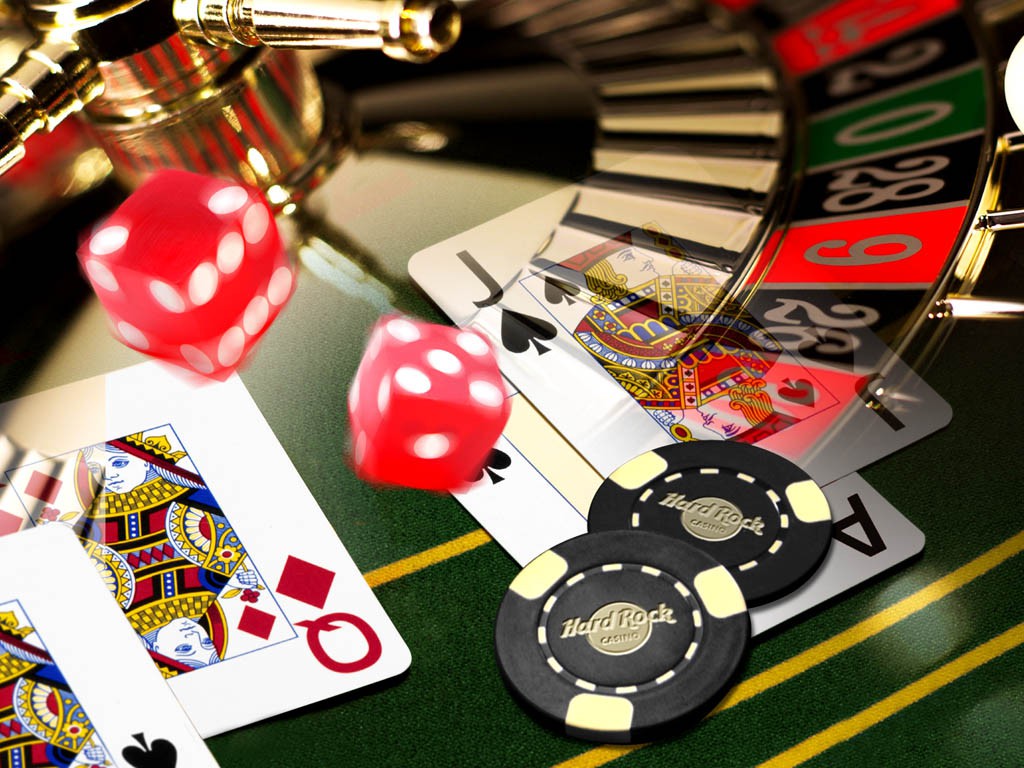
Understanding the mathematics behind each game can lead players to make more informed decisions. Yet, despite their strategic approaches, they must acknowledge that many outcomes are left to chance. This duality of strategy mixed with unpredictability is what makes gambling both a challenging and thrilling endeavor, as luck and skill coalesce in the world of casinos. Players who recognize this balance are often better equipped to handle the emotional ups and downs that accompany gambling, making for a more fulfilling experience overall.
The Role of Luck in Player Psychology
The psychology of players is significantly affected by their perceptions of luck. When on a winning streak, players may feel invincible, attributing their success to personal skills and strategies. This can lead to an overconfidence that may skew their betting behaviors, resulting in larger wagers and riskier decisions. Conversely, during losing streaks, players often grapple with frustration and disappointment, which can lead them to chase losses in the hopes of reversing their bad luck. This psychological rollercoaster further illustrates the complex relationship between luck and success in casinos, emphasizing the need for a balanced approach to gambling.
In many cases, players develop personal narratives around luck that can either motivate them or discourage them. A player who believes in their luck may enter a casino with a positive mindset, increasing their enjoyment and engagement. Such beliefs can create a self-fulfilling prophecy; when players feel lucky, they are more likely to play consistently, often leading to higher overall spending and playtime. Conversely, a player who perceives themselves as unlucky may withdraw, limiting their interaction with the games entirely. This psychological aspect highlights the importance of maintaining a healthy relationship with luck and gambling.
The influence of luck on player psychology underscores the importance of recognizing the emotional impact of gambling. By understanding that luck is a factor, players can better manage their expectations and behaviors. Embracing the unpredictable nature of luck while also employing strategies can help players cultivate a more enjoyable and sustainable gambling experience. This mindful approach allows them to navigate the highs and lows of gaming with a clearer perspective, ultimately enhancing their overall enjoyment.
Strategies to Enhance Luck Perception
While luck is inherently unpredictable, there are several strategies players can adopt to enhance their perception of luck in a casino setting. One effective approach is to create a positive environment that fosters good fortune. This can include choosing games with lower house edges, seeking out less crowded times, or even sharing stories of wins with fellow players to cultivate a communal sense of luck. Such practices can shape a player’s mindset, making them more receptive to the positive aspects of luck. By actively engaging in these behaviors, players can create an atmosphere that not only enhances their experience but also reinforces their belief in good fortune.

Another method is to engage in rituals or habits that players believe may enhance their luck. For instance, some players may wear specific clothing, carry lucky tokens, or perform certain actions before placing bets. These behaviors serve as psychological tools that can help players feel more in control of their luck. Whether or not these rituals genuinely affect outcomes, they can significantly influence a player’s experience and mindset while gambling. The key is in the belief; when players feel that they are doing something to invoke luck, they may approach the game with a more positive and open attitude.
Lastly, maintaining a healthy sense of balance between luck and strategy is crucial. Players should understand that while luck can influence immediate outcomes, implementing strategic approaches can enhance their overall experience. This combination allows gamblers to navigate moments of both luck and skill, helping them engage more holistically with the games. Ultimately, viewing luck positively can transform the gambling experience, making it more enjoyable and less stressful. By fostering a mindset that embraces both chance and skill, players can enhance their overall engagement in the casino environment.
Final Thoughts on Luck and Casino Gaming
In the realm of casino gaming, luck remains an undeniable force that contributes to the experience and outcomes of players. While skill and strategy play their roles, it is the capricious nature of luck that adds excitement and unpredictability to casino games. Players often find themselves entranced by the allure of chance, leading to both euphoric wins and devastating losses. Understanding this dynamic allows gamblers to approach the games with an informed mindset, balancing aspects of luck with strategy. This awareness can help players navigate their gaming experiences with a greater sense of control.
Moreover, recognizing the psychological impact of luck can help players manage their expectations and behavior. By developing rituals or strategies to enhance their perception of luck, players can create a more positive gambling environment. This proactive approach allows them to enjoy gaming more fully while still being aware of the inherent risks involved. Ultimately, embracing the unpredictable nature of luck while also being mindful of the inherent risks can lead to a more fulfilling and responsible gaming experience.
As players navigate the exciting world of casinos, they should remember that while luck is a significant factor, it is just one piece of the puzzle. The interplay between luck, skill, and strategy creates a rich tapestry of experiences that keeps players returning to the tables and machines, eager to test their fortune once again. By maintaining a healthy perspective on luck, players can cultivate a more enjoyable relationship with the games, leading to a more enriching overall experience.