
Responsible gambling is less about predicting outcomes and more about keeping entertainment within clear personal boundaries. For New Zealand adults considering http://nz-dragonia.org, the most useful starting point is understanding which account controls exist, what they can and cannot do, and when to step away. The available information describes support for bonus cancellation, account closure and self-exclusion, while the complete range of configurable spending or session limits is not publicly confirmed. That makes checking the account area and asking support an important part of safer decision-making.
Begin with a limit you can explain
A gambling limit should be decided before opening a game, rather than adjusted after losses or excitement have taken over. Consider setting a maximum amount for a session, a week or a month, and treat that figure as entertainment spending rather than money that might return. It should come from spare funds after rent, food, bills, debt repayments and savings—not from credit, essential money or borrowed funds.
Time also deserves a boundary. A small financial limit can still become difficult to manage if sessions continue late into the night or interfere with work, sleep and relationships. Decide when the session will end and use a phone alarm, calendar reminder or another practical prompt. Avoid extending play simply because the planned time has ended or because a result feels close to changing.
Where an account offers deposit, loss, wagering or session controls, read the wording carefully before confirming them. Check whether a limit applies immediately, from the next day or over a longer cooling-off period. The reviewed public material does not provide a complete list of configurable limits, so readers should inspect the account interface or ask customer support which controls are available. A limit is most useful when it is set before temptation appears.
What should you check in the account controls?
Account controls can mean different things, and similar labels may have very different effects. A deposit limit may restrict money added to an account, while a loss limit may relate to the net result over a stated period. A session reminder may only provide information, whereas a time-out may prevent access temporarily. Never assume that one setting covers every form of gambling, especially where casino and sports features are available under one account.
Before using any control, look for four details: the period covered, the start time, whether it can be reduced instantly, and what happens when it is reached. Also check whether pending bets, promotional balances or another product area are treated separately. If the wording is unclear, save a copy of the explanation and ask support for a direct answer before depositing or placing a bet.
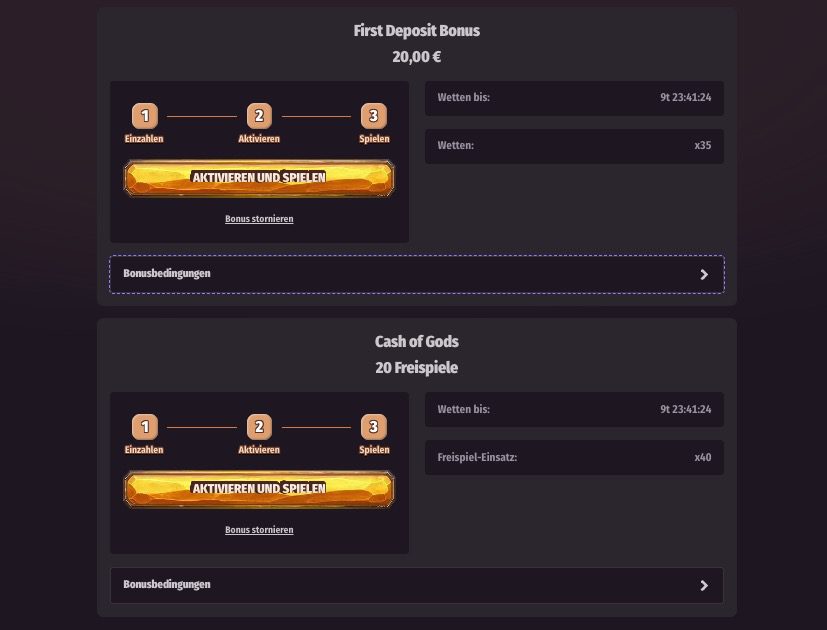
Promotions need similar caution. Bonus balances can encourage longer sessions because they often include deadlines, wagering conditions or restrictions on withdrawals. Cancelling an active bonus may remove the remaining bonus balance and can affect associated winnings, according to the reviewed terms. This does not mean a promotion should be kept simply because money has already been spent; it means the consequence should be understood before making a change.
When is a time-out more useful than a limit?
A financial limit may be suitable when gambling remains occasional and controlled. A time-out is more appropriate when the main problem is repeated checking, chasing losses, playing longer than intended or feeling unable to stop. It creates distance from the decision-making environment and can interrupt a habit before it becomes a larger financial or emotional issue.
Contact support to ask what temporary account restrictions are available and how long they last. Do not rely on simply logging out if the intention is to take a proper break; saved passwords, notifications and easy access can make an informal pause difficult to maintain. Removing gambling apps or browser shortcuts, muting promotional messages and telling a trusted person about the break can add useful friction.
If you want confidential guidance rather than account administration, the New Zealand Gambling Helpline provides a suitable place to seek help. A time-out is not a punishment or an admission of failure. It is a practical control that gives you space to review spending, mood, sleep and the effect gambling is having on everyday responsibilities.

Why self-exclusion needs a clear plan
Self-exclusion is stronger than an ordinary break because it is intended to prevent access for a defined period or until a person takes further steps to reopen an account. The supplied information says self-exclusion can be requested through customer support by email. It does not publish every procedure, duration or technical restriction, so ask for the exact process and keep the confirmation for your records.
Before requesting self-exclusion, consider any unsettled balance, pending withdrawal or unresolved account issue. The terms indicate that closure normally requires no remaining balance and no pending withdrawal. This is an administrative condition, not a reason to continue gambling. Ask support how outstanding funds, identity checks and communication preferences will be handled, and avoid placing further bets while the request is being processed.
Make the exclusion meaningful outside the operator’s account. Tell someone you trust, remove saved payment details, block gambling websites where possible and review bank-card controls. If other gambling accounts exist, deal with them separately rather than assuming one exclusion applies everywhere. If the urge feels urgent or difficult to manage, contact a support service promptly instead of waiting for a loss or crisis to provide motivation.
How can you recognise that controls are not enough?
Warning signs are often behavioural rather than numerical. They can include hiding gambling from family, borrowing money, missing bills, repeatedly chasing losses, feeling restless when not playing, or promising to stop and then returning soon afterwards. Spending more time thinking about gambling, neglecting sleep or work, and treating wins as proof that a larger stake is justified are also reasons to pause.
When these signs appear, do not respond by setting a bigger target or trying to win back what has been lost. Stop depositing, take a time-out or request self-exclusion, and protect essential funds first. Review recent bank statements without judging yourself. Accurate information makes it easier to explain the situation to a trusted person, counsellor or support service.
Account tools work best as part of a wider plan. Keep gambling separate from household money, do not use credit to continue, and avoid alcohol or other situations that make decisions less deliberate. If gambling is affecting safety, housing, relationships or mental health, seek professional help quickly. The aim is not to prove control through one successful session; it is to reduce harm and restore stability.
Responsible gambling questions answered
Are deposit limits enough to keep gambling safe?
No. A deposit limit may restrict money added to an account, but it may not address time, losses, existing balances or gambling elsewhere. Use it alongside a session boundary, spending review and breaks. If gambling feels difficult to control, choose a time-out or self-exclusion and seek independent support.
What should I do if I cannot find the limit settings?
Do not assume the controls are unavailable or that a general account balance limit exists. Check the responsible-gambling or account area and ask customer support for the exact options, timing and conditions. Until you receive a clear answer, avoid depositing and use practical barriers such as removing saved payment details.
Can I request self-exclusion even without a major loss?
Yes. Self-exclusion does not need to wait for serious financial damage. It can be used whenever gambling no longer feels comfortably voluntary, takes too much time or creates concern. Request the process through support, keep confirmation of the request, and consider wider blocking and personal support so the break is easier to maintain.