
Understanding the Psychology of Bluffing
Bluffing in poker is not just about deception; it’s deeply rooted in psychological strategies. At its core, successful bluffing relies on understanding both your hand and your opponents’ perceptions. Players must analyze their rivals’ behaviors, betting patterns, and emotional states. For example, a player who frequently bluffs might appear erratic, but skilled opponents can exploit this by calling their bets more often. Many enjoy the thrill of playing at various online platforms, such as the 19 dollar neosurf casino , which often provides unique opportunities for strategic plays. By observing how others react under pressure, a player can gauge when to bluff effectively.
Furthermore, emotional control is paramount in executing a successful bluff. A nervous demeanor can betray your intentions, while a calm disposition can instill doubt in opponents. For instance, maintaining eye contact and a steady poker face can significantly enhance the effectiveness of your bluff. Players must become adept at reading their opponents’ faces and body language to decipher whether their bluffs are being taken seriously. The delicate dance of confidence and intimidation can often turn the tide in high-stakes situations.
Lastly, the timing of a bluff is essential. Knowing when to employ this tactic can mean the difference between victory and defeat. A well-timed bluff can capitalize on a moment when opponents seem hesitant or when the board presents a scenario that seems dangerous. Players should cultivate an intuition for these moments, honing their ability to sense shifts in the table’s dynamics as the game progresses. Mastering this timing aspect can elevate a player’s skill level considerably.
The Elements of a Successful Bluff
The fundamental components of a successful bluff include positioning, betting patterns, and table image. Positioning refers to where a player sits at the table in relation to others; being in a later position can provide crucial information about opponents’ actions. A traditional strategy suggests that players in a later position can bluff more effectively since they have already observed their opponents’ responses. This additional intel can help tailor the bluff to exploit perceived weaknesses.
Betting patterns play a significant role in executing a bluff. Inconsistent bets can perplex opponents and prompt them to fold. A player might start with a small bet to gauge reactions, then increase the stakes to exert pressure. This strategy can create ambiguity regarding the player’s hand strength, pushing opponents to question their decisions. Establishing a credible image through consistent betting can set the stage for a successful bluff down the line.
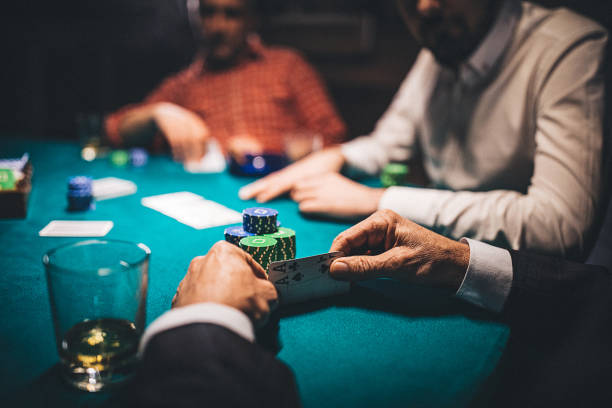
A strong table image can enhance the effectiveness of a bluff. If a player is viewed as conservative, their bluffs may carry more weight, leading opponents to fold stronger hands. Conversely, if a player has been actively bluffing, their credibility diminishes, and their bluffs may be more easily called. Therefore, building and maintaining a strong, consistent table image is crucial when planning to incorporate bluffing into one’s strategy.
Common Bluffing Techniques
There are several established bluffing techniques that can elevate a player’s strategy in casino poker games. One popular method is the semi-bluff, which involves betting or raising with a hand that may not currently be strong but has the potential to improve. This strategy allows players to bluff while still having a chance to achieve a winning hand should the cards turn in their favor. The semi-bluff creates uncertainty for opponents, making it a versatile tool in a player’s arsenal.
The continuation bet is another effective bluffing tactic. It’s executed when a player raises pre-flop and then continues to bet on the flop, regardless of whether the flop helped their hand. This technique can be particularly effective in multi-player pots, as it allows the player to maintain the initiative and pressure their opponents. Moreover, it can sometimes force opponents with marginal hands to reconsider their positions, leading them to fold.
Another technique is the reverse tell, where a player deliberately gives away information to mislead their opponents. For instance, a player might act timidly or weakly but then suddenly launch into a large bet. This can confuse opponents and lead them to misinterpret the strength of the player’s hand. Using this technique sparingly can enhance its effectiveness, as seasoned players might catch on if used too frequently.
Reading Your Opponents
Reading your opponents is an invaluable skill in poker that goes hand-in-hand with bluffing. Every player has unique tells, or physical cues, that can reveal insights about their hands. These can range from facial expressions to body language, such as fidgeting or shifting in their seats. A player attentive to these signs can better gauge whether their opponents are likely to fold or stand firm against a bluff. Noticing subtle changes in demeanor can help inform key decisions.

Additionally, analyzing betting patterns offers substantial clues. If an opponent consistently raises in certain situations, they may be more inclined to bluff or could simply be playing aggressively. Observing such trends can provide strategic insight into when to attempt a bluff and when to exercise caution. The ability to correlate betting behavior with hand strength is a critical component of advanced poker strategy.
Finally, understanding the dynamics of the table can impact bluffing success. Distinct player types—such as aggressive, passive, tight, and loose players—can determine the best approach for bluffing. For instance, bluffing against a conservative player who rarely bets can be more fruitful than attempting to bluff a player who frequently engages with the pot. Adaptively adjusting one’s strategy based on the opponents at the table is essential for mastering the art of bluffing.
Utilizing Resources and Strategies on Your Journey
For those looking to enhance their bluffing skills and overall poker proficiency, numerous resources are available. Online forums, poker strategy websites, and instructional videos can provide a wealth of knowledge, including expert tips and analyses of professional tournaments. Engaging with these resources can expose players to different bluffing strategies and techniques, enriching their understanding of the game.
Moreover, practicing with friends or through low-stakes games in casinos can help reinforce these skills. Simulated environments allow players to experiment with bluffing without the pressure of high stakes. This trial and error learning process is essential for developing the confidence to employ bluffs in real game scenarios. Regular practice can refine one’s instincts and timing, preparing them for competitive play.
Lastly, keeping a poker journal to track outcomes of specific bluffing attempts and overall performance can provide valuable insights into personal gameplay. Recording strategies, successes, and failures allows players to identify patterns and areas needing improvement. By reflecting on their experiences, players can gradually hone their bluffing techniques, leading to better decision-making and ultimately more successes in casino poker games.